Why Procurement Data Never Matches the Books (And What Actually Causes the Gap)
Procurement says one number, AP shows another, job costing shows a third.
Every month-end plays out the same way. Purchasing has one number for materials ordered. Accounts payable have a different number for invoices received. Job costing has a third number for what got allocated to projects. The controller spends the better part of a week trying to reconcile numbers that should have matched in the first place.
When schedules are compressing and every job is running tighter than the last, losing three days to reconciliation isn't just frustrating. It's time the business doesn't have.
In addition,up to 3% of working capital disappears annually when invoice and PO matching happens manually. For a contractor spending $10 million on materials each year, that's $300,000 draining away because systems don't line up. Not dramatic losses anyone notices in the moment, just steady erosion and slippage that shows up in margins over time.
This is a systems problem, not a people problem. And it's worth understanding where the mismatches actually come from.
Three numbers, three systems
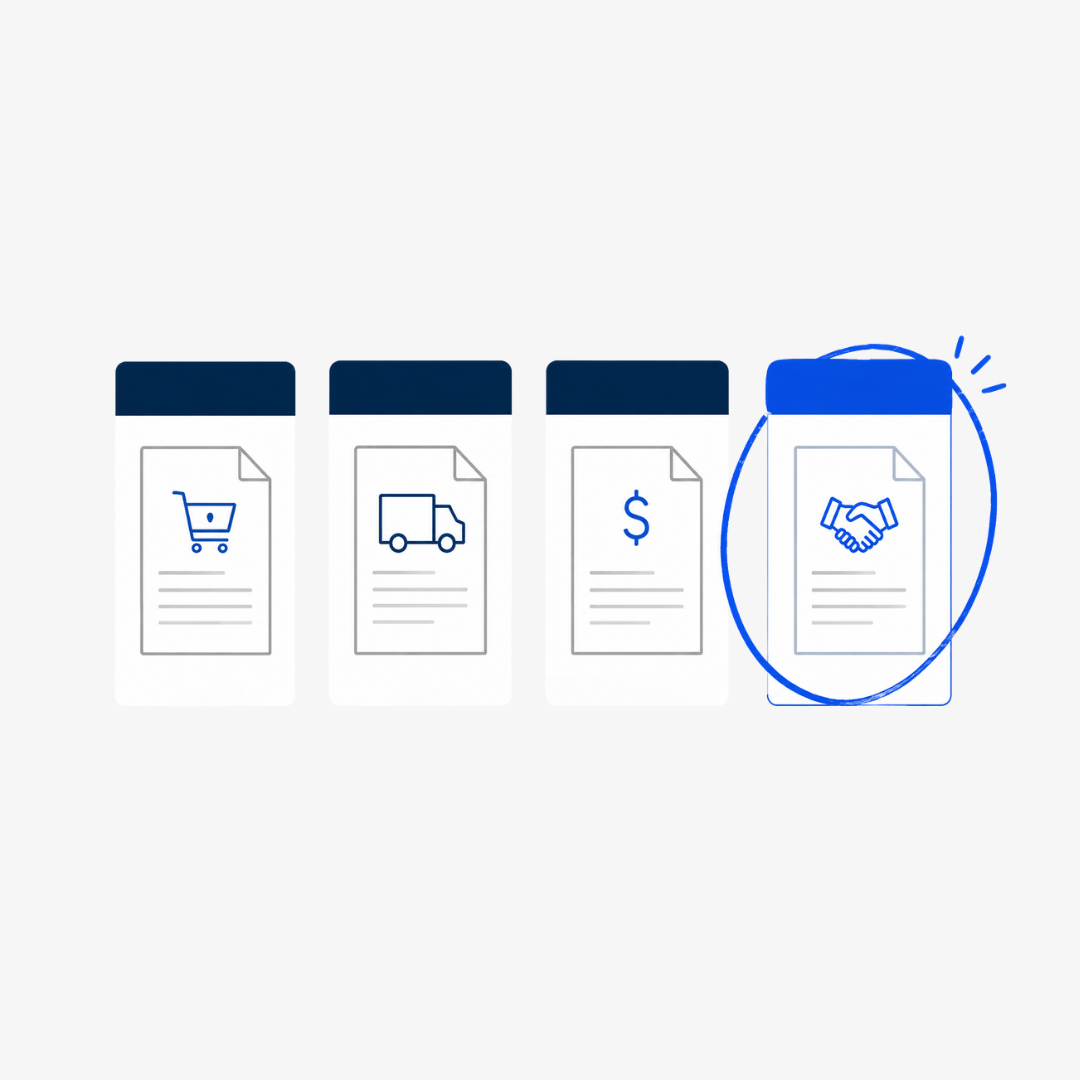
In theory, there should be one number. What the purchase order commits to should match what the invoice bills and what job costing allocates to the project. In practice, you get three numbers that rarely agree, each living in a different system and owned by a different team.
The purchase order reflects what procurement thinks was ordered: quantities, prices, delivery terms the supplier agreed to. The invoice reflects what the supplier says they shipped and what they're charging for it. The job cost allocation reflects what actually got used on the project: materials that made it to the job site, got installed, and should be charged to that specific job and phase code.
Over 30% of PO discrepancies stem from manual processing and inconsistent procedures. When those three numbers don't match, someone has to figure out why. Usually that's the controller or AP manager, digging through emails and packing slips at month-end trying to reconstruct what actually happened weeks earlier.
Where the gaps come from
Mismatches don't appear randomly. They enter the system at predictable points.
Prices shift between quote and invoice. The PO gets created based on a supplier quote. The invoice shows up weeks later based on whatever their system says the current price is. If material costs went up between the quote and the shipment, the invoice reflects the new price, not what you thought you were paying. Price swings of around 5% are common in construction materials. That gap becomes a discrepancy someone has to investigate before AP can cut a check.
Descriptions never match. The PO says "1/2-inch rigid coupling." The invoice says "Rigid Conduit Coupling, 1/2, Trade Size 1/2 Inch, Steel." Same product, different words. Someone has to manually verify these are the same item. Multiply that by 50 line items per invoice and 100 invoices per week, and description matching alone becomes a significant time sink.
Partial shipments create quantity gaps. A PO commits to a quantity. The truck shows up with less because part of the order is on backorder. The foreman signs for what actually arrived. Now the PO shows one number, the receiving record shows another, and the invoice might show either or neither. Quantity mismatches cause about 25% of invoice processing delays, and each one requires phone calls, job site confirmations, and manual record adjustments before payment can go through.
Manual entry compounds errors. Someone types the PO into the procurement system. Someone else enters the invoice into AP. The PM logs job costs in the ERP. Different people, different documents, different systems, days or weeks apart. Mistakes happen, and they don't surface until someone tries to reconcile at month-end.
Why manual verification breaks down
Most contractors start with spreadsheets, emailed invoices, and someone in the office who knows how to cross-reference everything. It works until transaction volumes outgrow it.
Jessica Nascusa, Senior Purchasing Agent at Morrow Meadows, described the old process: "The biggest challenge was the communication between the field, the vendors and getting the correct materials sometimes. You know it's kind of like playing telephone. There's a translation issue of they want a certain part, if you don't have those exact numbers, it's sometimes hard to remember everything to give to the vendor, and they're thinking of a different part."
Manual spot-checking breaks down when volume grows. Guarantee Electrical hit this wall: "We would spot check invoices to make sure that pricing was appropriate. With the amount of material we buy, we can only spot check a very small percentage of that. So it wasn't a good reflection, it wasn't a good check and balance."
When you're processing 120 purchase orders in a day with two purchasers, spot-checking becomes essentially random. You might verify 5% of invoices if you're disciplined. The other 95% get approved on trust that the supplier billed correctly.
The reconciliation work piles up and then hits all at once. During the month, everyone is too busy processing transactions to investigate discrepancies. Last week the month arrives and accounting needs to close the books, and all those unresolved exceptions become urgent simultaneously.
What automated matching actually does
The alternative to spot-checking is systematic verification at the point where data enters the system.
Three-way matching compares the purchase order, the receiving record, and the invoice automatically. If all three align on quantity, price, and terms, the invoice gets approved without anyone touching it. If they don't align, the system flags the specific discrepancy for investigation before payment goes through. This concept isn't new—it's been standard in accounts payable for decades. The difference is whether it happens through manual document comparison or automated data matching.
Guarantee Electrical described what changed for them: "Now we don't have to do that [spot checking]. That is all done automatically through Remarcable. And if someone commits a price to us, they're held at that price, and if we don't receive that price, we're alerted to it. So the checks and balances are something that really made our life infinitely easier."
Integration between procurement and accounting systems also eliminates timing gaps. Guarantee Electrical explained their setup with Viewpoint Vista: "Our jobs sync out of Viewpoint into Remarcable, all of the shipping information, the job site addresses, the tax rates, all of that information comes right out of Vista into Remarcable. The foreman syncs in Remarcable. So a lot of the information is just seamlessly passing through."
When data flows between systems automatically, it gets entered once and carries through everywhere else. The PM creates a job in the ERP. It syncs to procurement with all the metadata intact. When materials get ordered, they're automatically tied to the correct job, phase, and cost code. When the invoice arrives, the allocation is already correct because the data flowed through correctly from the beginning.
Catching problems earlier
Procurement mismatches aren't inevitable. They're the predictable result of systems that don't connect and verification that happens too late to prevent problems.
The goal isn't perfect data. It's catching discrepancies early enough to actually correct them in real-time which saves you money and time, instead of discovering variances at month-end when the only option is to document them and move on.
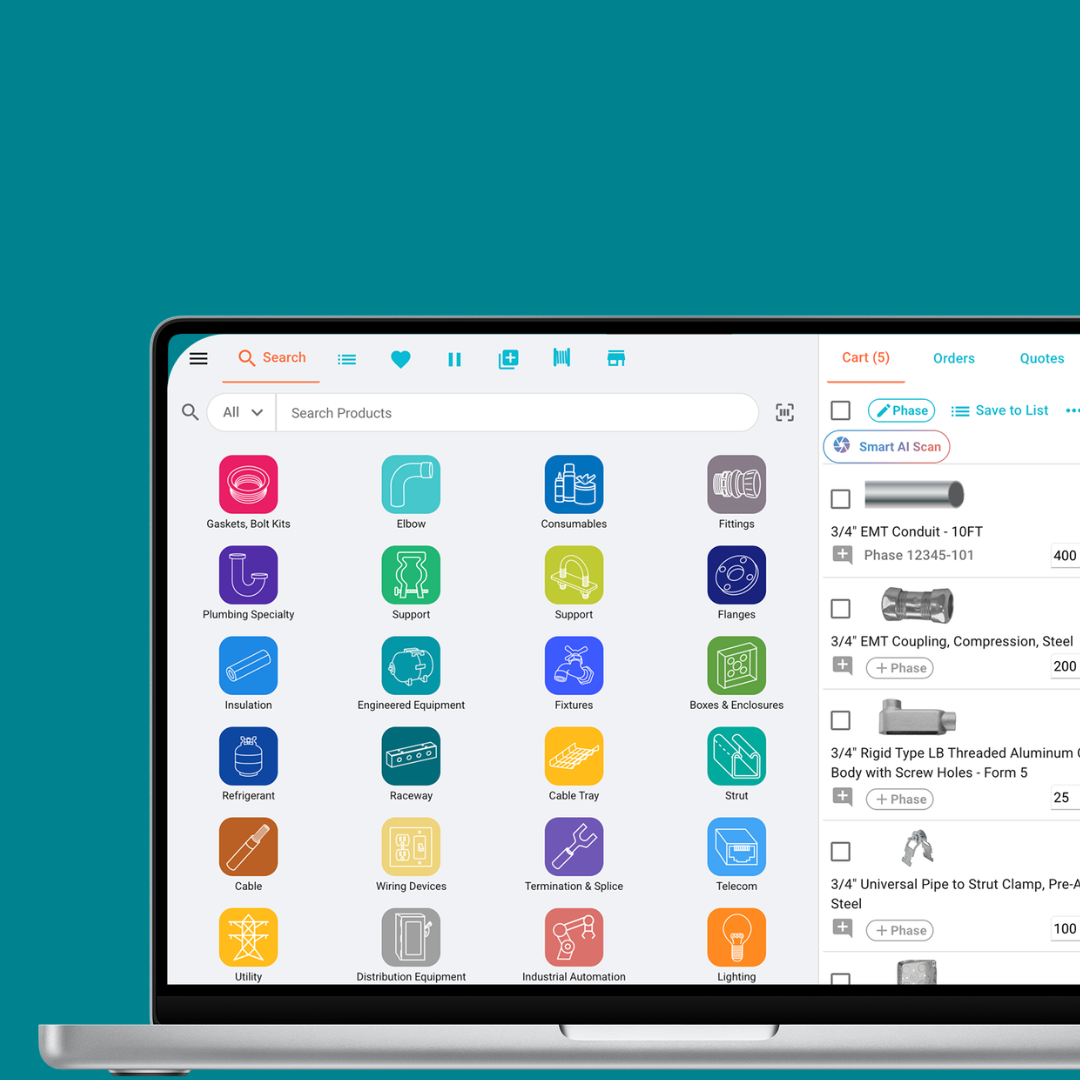
Remarcable's accounting integration connects procurement directly to ERP systems. Material orders sync with job cost modules. Invoices get checked against committed pricing before payment. InvoiceSense flags billing discrepancies before they hit AP. Integration with 15 accounting systems means data flows between procurement and finance without manual re-entry.
The three numbers that should match can actually match. See how it works when procurement and accounting finally talk to each other.
Connected purchasing and material operations for MEP contractors
See how contractors run procurement with Remarcable
Request a demo and we'll walk through exactly how it fits your team's workflow.
.png)