How to Track Material Deliveries Without Calling the Vendor
Stop chasing material deliveries with phone calls. Learn how real-time tracking eliminates order status inquiries.

"Where's my material?"
It might be the most common question on any construction job site. The answer requires phone calls. Lots of them. To the supplier. To the warehouse. To the project manager who placed the order. To whoever last talked to the driver.
Every call takes minutes. Multiply that by dozens of orders per week, and the time waste adds up fast. Foremen spend half their mornings tracking down shipments instead of managing crews. Purchasing agents field constant status requests instead of doing actual purchasing. Project managers interrupt field work to verify whether materials left the warehouse. In a time where project schedules are compressing 10-20% and every delay ripples downstream, that lost time shows up directly in margins.
Everyone knows this system is inefficient. The real question is what changes when tracking becomes automatic.
The current state of material delivery tracking
Nearly 40% of construction projects face delays due to supply chain issues, including material delivery problems. Materials account for 40% of project costs, with significant waste from poor tracking.
Before implementing automated tracking, one field supervisor at Collins Electrical described it this way: "Before Remarcable, I spent half my morning chasing down order statuses."
That's not an isolated experience. The phone call chain starts when a foreman needs to know if materials will arrive before the crew shows up tomorrow. If the project manager doesn't have the answer, they call purchasing. If purchasing doesn't have tracking information from the supplier, they call the distributor. If the distributor's system isn't updated in real time, they call the warehouse.
Each handoff introduces delay. Each person interrupted loses momentum on their actual work. By the time an answer comes back, the crew schedule may have already been disrupted, and labor costs climb while productivity drops.
Jessica Nascusa, Senior Purchasing Agent at Morrow Meadows, describes the communication breakdown: "The biggest challenge was the communication between the field, the vendors and getting the correct materials sometimes. You know it's kind of like playing telephone. There's a translation issue of they want a certain part, if you don't have those exact numbers, it's sometimes hard to remember everything to give to the vendor, and they're thinking of a different part."
Why phone calls are still the default
Most electrical contractors don't rely on phone calls because they prefer them. They rely on phone calls because their systems don't give them better options.
Spreadsheets don't track shipments in real time. Email chains don't update when a truck leaves the warehouse. PDF order confirmations don't tell you whether materials are on the truck or stuck in transit.
Even when suppliers offer tracking portals, those portals create new problems. As one team member at Lighthouse Electric explains: "A lot of distributors want you to use their portal and place your orders through their portal, and then you go to another distributor, a different portal. You're now trying to learn two, three systems."
Each supplier portal has different login credentials, different interfaces, and different levels of detail. A purchasing agent working with five different suppliers might need to check five different portals to answer a single question: "What's arriving tomorrow?"
The result is that portals get ignored. Phone calls remain faster, even though they drain time that could go toward billable work.
Paul Iorio, GM of Procurement Services at O'Connell Electric, describes what happened before centralized tracking: "The nice thing about Remarcable is the request comes from the field right to us, we know exactly what they want. It's not written on the back of a napkin or on a cardboard box. It's not taken on a screenshot from a telephone. It's not through an email."
What real-time tracking actually looks like
Real-time tracking eliminates the phone call chain by making delivery status visible to everyone who needs it, when they need it, without manual intervention.
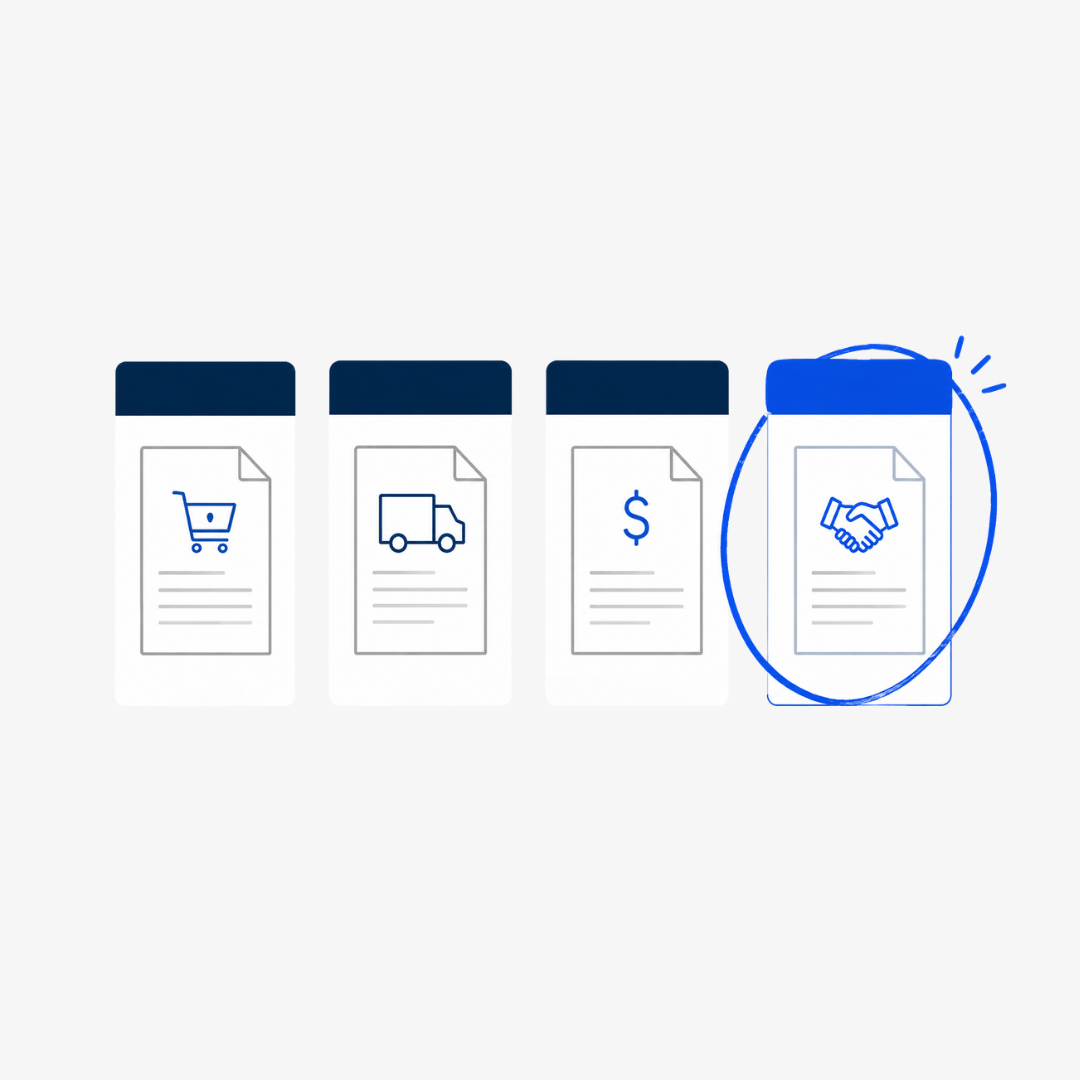
When a purchase order is created, the system sends it directly to the supplier through EDI or API integration. The supplier's system receives the order electronically and sends back an automatic acknowledgement confirming what's in stock, what's backordered, and when shipment will occur. That acknowledgment flows into the contractor's procurement platform, where purchasing, project managers, and field supervisors can all see it.
Christopher Seagrist, Prefab Coordinator at Morrow Meadows, explains the difference: "Now Remarcable takes care of all that for me. I can go and I can order everything in a one-stop-shop kind of like online ordering."
No one needs to call the supplier to confirm the order was received. No one needs to ask whether items are in stock. The information updates automatically, visible to anyone with access to the system.
When materials ship, the supplier's system sends a shipment notification with tracking details, expected delivery date, and any changes to quantities. That notification updates the original purchase order in real time. Real-time inventory and materials tracking prevents stockouts, reduces carrying costs, and streamlines procurement to replenishment.
At Guarantee Electrical, which manages $200 million in annual material purchases, the purchasing team handles extraordinary volume with minimal staff. One team member notes: "I was looking at reports earlier and yesterday we had 135 orders, 120 orders on the 14th. We would not be able to do that with just two purchasers alone, without Remarcable. That's not possible."
Why supplier integration makes the difference
The difference between tracking that works and tracking that creates more work comes down to how deeply the contractor's procurement system integrates with supplier systems.
Surface-level integration means exporting a CSV file, emailing it to the supplier, and waiting for them to manually enter the order into their system. When shipment occurs, the supplier sends an email confirmation. Someone on the purchasing team opens the email, reads the tracking details, and updates a spreadsheet. That's not real-time tracking. That's manual data entry with extra steps.
Steven Druin, SVP of Technology at Interstates Electric, is blunt about this distinction: "A lot of companies say they integrate... when they truly don't, they're importing and exporting CSVs with minimal data flow at best. True integration is making API calls and pushing that data back and forth between the automated systems."
True integration means the contractor's procurement platform connects directly to the supplier's ERP system through EDI, API, or other structured data connections. Purchase orders flow electronically from contractor to supplier without human intervention. Acknowledgments, shipment notifications, tracking updates, and invoice data flow back automatically.
This level of integration delivers several capabilities that manual tracking can't match. Purchase order acknowledgments arrive instantaneous. Shipment status updates automatically when materials leave the warehouse. Delivery exceptions trigger automatic alerts. If a shipment is delayed, backordered, or rerouted, the system notifies the relevant people immediately. A foreman scheduled to receive materials Wednesday morning gets an alert Tuesday afternoon that delivery has been pushed to Thursday. That creates time to adjust crew schedules or expedite materials from another source.
Fred Robinson, Project Manager at Copper State, describes the communication benefits: "The order has message boards, it has line level messaging. It has the ability to share information without negatively impacting the data set on the customer side of the ordering. The communication evolves it into a great living document."
The broader impact of eliminating status calls
The time savings from automated delivery tracking extend far beyond the minutes saved per phone call.
When field supervisors stop spending mornings chasing order statuses, they spend that time managing crews and keeping work moving. When purchasing agents stop fielding constant "where is it?" requests, they focus on negotiating better pricing and managing supplier relationships. When project managers stop verifying delivery details, they concentrate on scheduling and keeping projects on time and on budget.
Michael Sadler, Pre Construction Manager at B&D Industries, quantifies part of the impact: "On our side to order the materials it's as easy as hitting a button and clicking submit and it's done. It takes a quarter of the previous time, if that."
Material handling can consume up to 40% of field crew time. When materials arrive on schedule, staged properly, and without last-minute surprises, crews spend more time installing and less time waiting.
The team at Paynecrest Electric frames it in bottom-line terms: "The greatest savings that we've had by using Remarcable has really been in efficiency gains and the time our craftsmen and women are in the field. They spend so much less time procuring tools and materials than they ever did before, which allows them to focus on what we really do for a living, which is installing electrical systems."
From reactive to proactive visibility
The question "where's my material?" reveals a reactive approach to delivery management. It means problems have already occurred and people are scrambling for information to minimize the damage. Real-time tracking enables a shift from reactive scrambling to proactive management.
With automated delivery visibility, project managers know three days in advance that a critical shipment will be delayed. Foremen see delivery windows before they finalize the next day's crew assignments. That creates time to expedite materials from another supplier, adjust crew schedules, or resequence work to keep productivity high.
At Lighthouse Electric, the team describes the transformation: "It's really unreal how simple Remarcable is based on the number of clicks, how that just streamlines the process versus the constant emails back and forth for everyone to try and get on the same page."
Getting everyone on the same page without over and above communication overhead is the fundamental value of real-time delivery tracking. It eliminates friction, reduces delays, and enables electrical contracting teams to focus on what they do best: building projects that come in on time and on budget.
Making delivery tracking work without phone calls
The phone call chain for material delivery status only persists because most systems don't provide better alternatives. When procurement platforms integrate directly with supplier systems through EDI and API connections, delivery visibility becomes automatic and seamless.
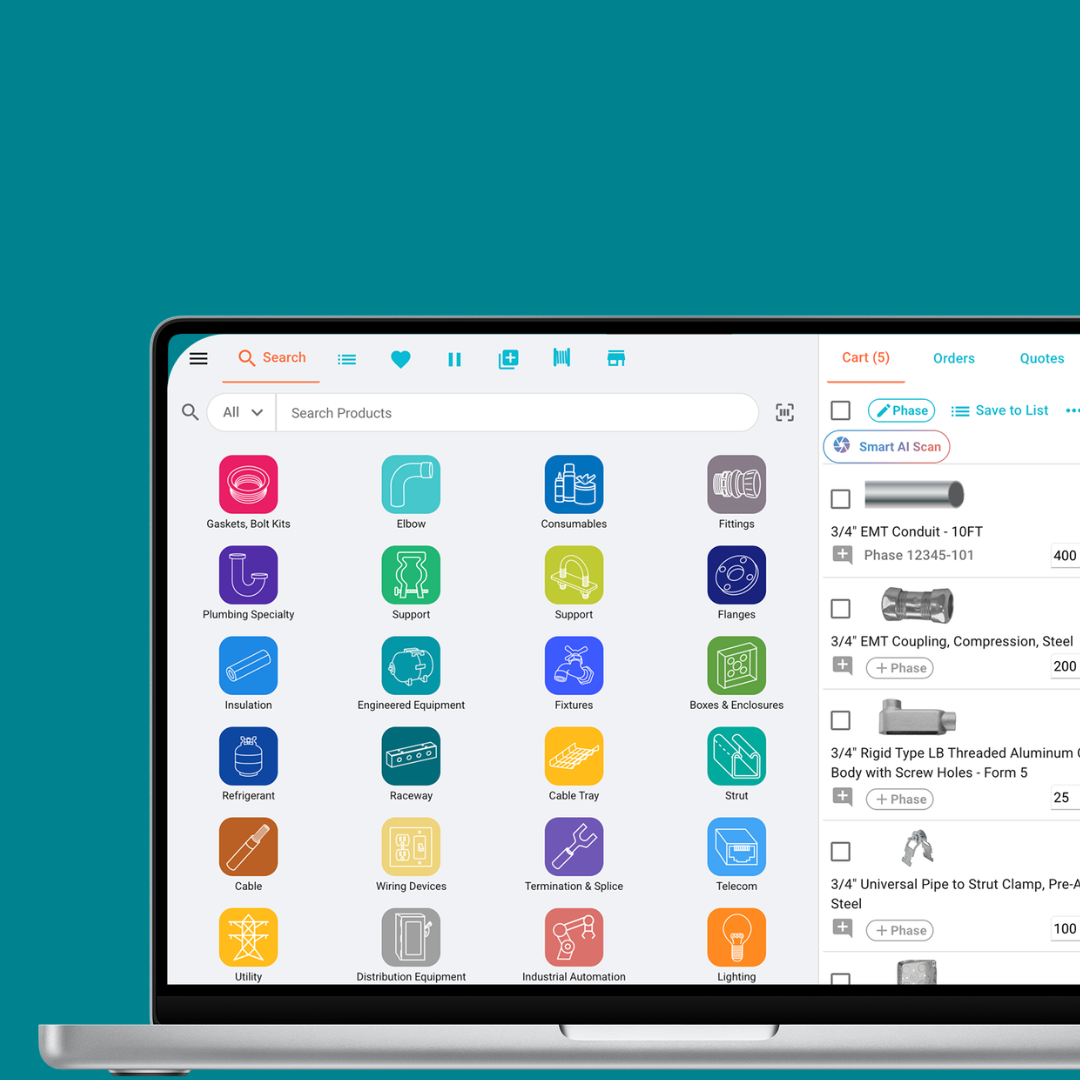
Remarcable's procurement platform eliminates delivery status calls by connecting electrical contractors with 450+ suppliers through deep integrations that enable structured data flow. When materials are ordered, suppliers send automatic acknowledgments confirming stock availability and ship dates. When shipments leave the warehouse, tracking updates appear in real time across web and mobile interfaces. When deliveries are delayed or exceptions occur, automatic alerts notify the right people before problems arise, or even worse compounds.
Field supervisors check delivery status from their phones on the job site. Project managers see incoming shipments while planning crew schedules. Purchasing agents handle higher order volumes without adding staff because they're not fielding constant status inquiries. Everyone works from the same real-time data, automatically synchronized, without phone calls.
See how Remarcable's procurement platform eliminates delivery status calls, or request a demo to see real-time tracking in action.
Connected purchasing and material operations for MEP contractors
See how contractors run procurement with Remarcable
Request a demo and we'll walk through exactly how it fits your team's workflow.
.png)