Safety Is a Team Sport: What "All In Together" Means for Trade Contractors
Construction Safety Week 2026 runs May 4–8 under the theme "All In Together."

Construction Safety Week 2026 runs May 4–8 under the theme "All In Together." For the contractors and construction professionals building the structures that communities depend on, that phrase is both a rallying point and a real opportunity. The week is a chance to shine the spotlight on how every part of an organization, not just the job site, contributes to bringing every worker home safely.
The numbers say safety has improved. The gaps say the work isn't done.
Construction recorded incident rates have trended downward in the U.S. over the past decade. The industry has invested in training programs, toolbox talks, PPE mandates, and site safety plans. Those investments have saved lives.
But fatality rates have remained persistently high for over ten years, even as recordable incidents decline. Serious injuries and fatalities (SIFs) still remain concentrated in a specific category of work: high energy, high hazard activities. Anything from struck-by incidents, electrical contact, falls from elevation, caught-in and caught-between events.
That's the gap that Construction Safety Week 2026 is designed to close. The 2026 framework is built around three pillars: Recognize, Respond, and Respect - a unified call to action on high energy, high hazard work. Recognize the presence and impact of hazards before work starts. Respond by putting direct controls in place during planning. Respect every hazard, every person, and every role in the safety process.
The framework is sound. The harder question for contractors isn't whether to adopt it, it's whether their daily operations give crews the time and bandwidth to actually use it.
Safety plans fail at the field level when operations are already overwhelmed
A pre-task planning conversation takes 10 minutes if the crew is focused. It takes much longer, or gets skipped entirely, when the foreman is on the phone chasing a material delivery that was supposed to arrive yesterday.
This is the part of the safety conversation the industry tends to underestimate. Jobsite safety culture doesn't live in the safety plan binder,it lives in what foremen do with their first hour of the morning. It lives in how much cognitive load crew members are carrying when they approach a high hazard task. It lives in whether the people responsible for hazard recognition have the mental space to actually recognize hazards or whether they're triaging operational fires before the tools hit the ground.
Research from the Construction Safety Research Alliance reveals that during typical pre-task plan briefings, construction workers identify only 45% of the hazards they face. That number is already sobering before you factor in a foreman who spent the previous 45 minutes resolving an admin problem. When hazard discussions incorporate structured tools like the Energy Wheel model, recognition rates improve by 30%. But that improvement assumes the crew has the time and focus to engage with the process.
The data on construction productivity tells a compounding story. Studies consistently show that a significant portion of field labor hours go to non-productive activities — waiting on materials, chasing information, managing rework from incorrect orders to name a few. Every hour a foreman spends resolving issues is an hour not spent on crew development, job planning, or the kind of focused pre-task conversation that catches a hazard before it becomes an incident.
"All In Together" means more than every worker wearing the right PPE. It means every function in the contractor's organization — field, warehouse, project management, is set up in a way that supports safe execution rather than undervaluing it.
High hazard work requires full attention. Administrative chaos competes for it.
The three pillars of Construction Safety Week 2026 map directly to what happens in the field when operations run smoothly — or don't.
Recognize depends on awareness. A journeyman approaching an energized panel who is also mentally tracking whether the right conduit was delivered, whether the PO went through, and whether materials will be on site for tomorrow's pull — that worker's attention is split. Divided attention is a precursor to incidents. Hazard recognition requires presence, and presence is harder to sustain when the work environment is administratively chaotic. As jobsite voices contributing to CSW's five-year research put it directly: "Production schedules are sometimes pushed too quickly, leading to increases in the potential for an accident."
Respond depends on planning time. Putting direct controls in place before high energy work starts requires foremen and superintendents to have bandwidth — time and information to work through the Hierarchy of Energy Controls, confirm crew assignments, and verify that equipment and materials are staged correctly. When purchasing and logistics are unpredictable, planning conversations get compressed or deferred. Another craft voice from CSW's research says it plainly: "We get into rushes and cut corners which means practicing unsafe procedures just to finish within a certain time frame."
Respect depends on culture, and culture is downstream of systems. A company that says it respects every worker's safety while running its operations on phone calls, spreadsheets, and tribal knowledge is asking field crews to carry the weight of operational dysfunction on top of an already demanding job. CSW's five-year vision calls for every team member — owners, contractors, trade partners, suppliers — to share responsibility across every phase of the project. That shared ownership starts with giving crews the systems to do their jobs without unnecessary friction.
What "All In Together" looks like in a contractor's operation
The industry hears "safety culture" and thinks about training programs, toolbox talks, and leadership commitment. Those things matter. But CSW's five-year vision is explicit that real transformation requires bringing together owners, contractors, trade partners, suppliers, and vendors — not just the people on site, but every function that touches the project. That's a broader definition of "all in" than most contractors are currently operating with.
For trade contractors specifically, the operational functions most disconnected from safety conversations are often the ones with the most leverage over field conditions. Purchasing decisions determine whether materials arrive on time or whether crews spend their morning waiting and improvising. Logistics determines whether the right equipment is staged before a high hazard task begins or sourced last-minute under pressure. Project scheduling determines whether foremen have planning time or whether they're already behind before the crew hits the ground.None of these functions show up in a safety plan. But every one of them shapes the conditions under which high energy, high hazard work gets executed.
Research cited by CSW found that workers in pre-task briefings identify only 45% of the hazards they face under normal conditions. Structural tools like the Energy Wheel push that recognition rate up by 30% — but only when crews have the bandwidth to engage with the process intentionally. That bandwidth doesn't come from motivation or training alone. It comes from an operation that isn't generating its own emergencies before the work starts.
Safety Week is one week. The commitment is year-round.
Construction Safety Week 2026 creates a moment. It brings 900+ companies together, focuses leadership attention on safety performance, and gives crews a chance to reinforce the habits and frameworks that prevent serious injuries. The May 6 National Safety Stand-Down - a partnership between CSW and OSHA aimed at being the largest industry-wide construction stand-down ever held — puts a concrete stake in the ground.
But the theme this year is "All In Together," and that phrase has a shelf life problem if it only applies to one week in May. CSW's five-year vision calls for deeper engagement and continuous improvement across the entire project life cycle. Being all in means that the systems contractors run, the tools they give their field teams, and the operational decisions they make are all aligned with the same goal: getting every worker home safely every day.
A field team that spends its energy on the work rather than working around the systems meant to support them, is a team with the attention, planning time, and culture to execute the Recognize-Respond-Respect framework that Safety Week 2026 is built around.
The question worth asking this week: where in your operation are you asking your field crews to carry a burden that a better system could carry for them? That's where being all in together starts.
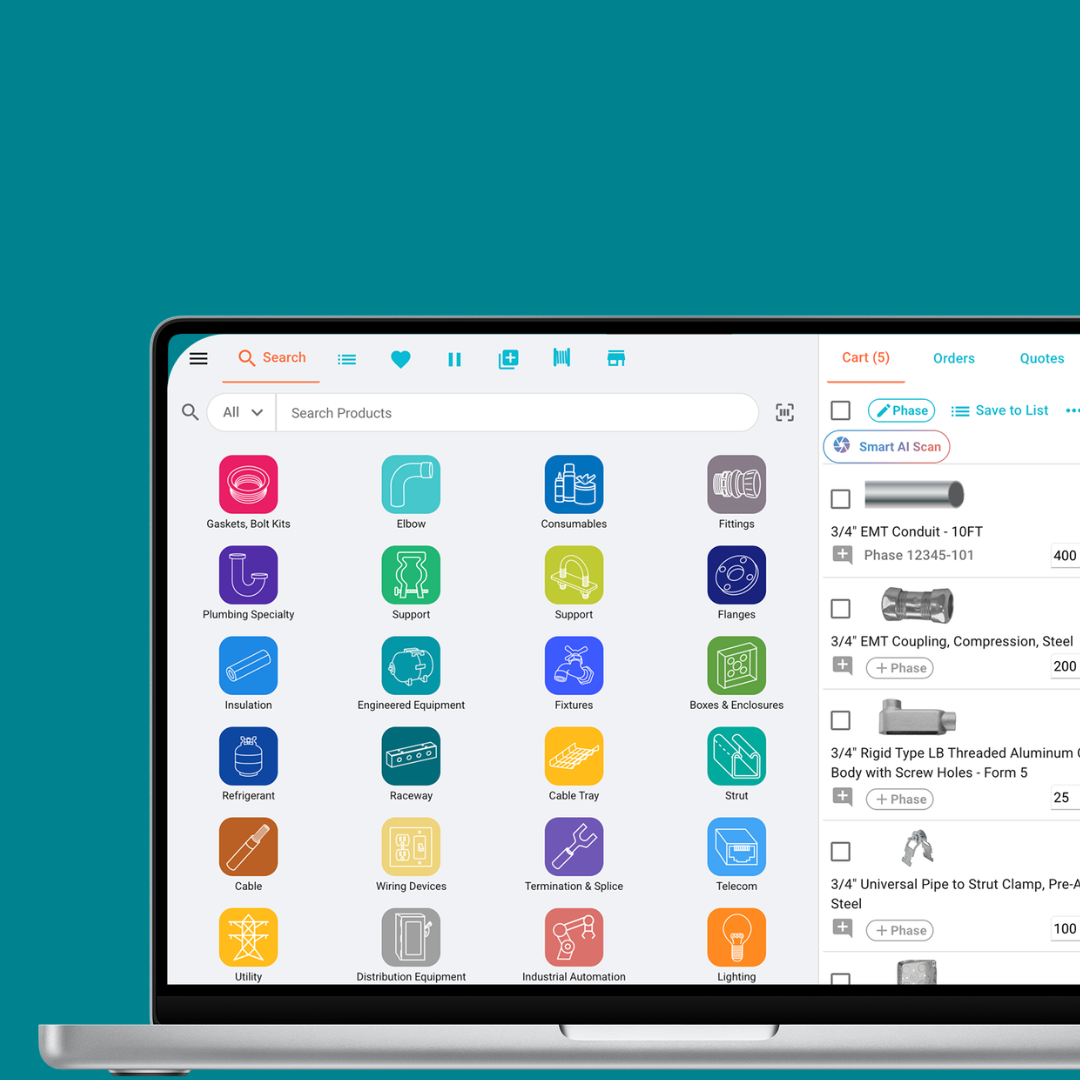
Connected purchasing and material operations for MEP contractors
See how contractors run procurement with Remarcable
Request a demo and we'll walk through exactly how it fits your team's workflow.
.png)